
College of Engineering
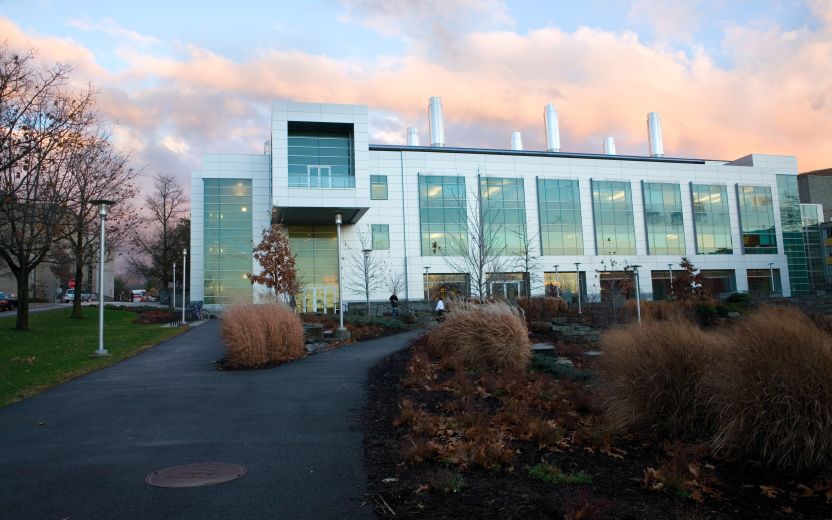
Cornell Engineering is the largest and most prestigious engineering program in the Ivy League. The college is widely recognized for its rigor, commitment to excellence in education and research, and its longstanding legacy of educating students who go on to become leaders. Cornell Engineering envisions a future in which its student body and faculty reflect the gender, socioeconomic, and racial diversity of society. We endeavor to be a collaborative community of scholars and innovators who leverage the intellectual diversity of Cornell University to push the frontiers of knowledge and to address humanity’s grand challenges. Our graduates will be recognized and valued for their commitment to excellence, enthusiasm for learning, integrity, ethical behavior, and ability to work and thrive in diverse teams.
College FAQs
Four Advising Areas
Academic Focus
With 14 different majors and 21 minors, Cornell Engineering offers one of the broadest engineering curricula in the world. First-year students begin general engineering studies focused on the common curriculum. They will learn about all the different majors offered at Cornell Engineering, which will allow them to explore their options before applying for affiliation with a major in their second year. Students can learn more at https://www.engineering.cornell.edu/students/undergraduate-students/curriculum/majors-and-minors.
Experiential Learning
Office of Inclusive Excellence - Research Engagement:
Engaging in research allows students to apply what they learn in the classroom to real-life situations, as well as practice and develop skills in teamwork, communication, problem-solving, and creativity. Research helps students to build a mentoring network and close relationships with world-renowned professors and researchers, learn the scientific process to become a competitive applicant for graduate school and/or gain technical skills that prepare them for careers in industry.
Office of Inclusive Excellence (OIE) - Teaching and Learning:
OIE offers evidence-supported practices in teaching and learning that empower students by facilitating student-centered, inclusive, collaborative, and experiential learning opportunities within supportive and accessible communities. OIE offers Tutors-on-Call for Engineers, Academic Excellence Workshops, and the Teaching Assistant Development Program.
Selander Center for Engineering Leadership:
Launched in 2024, the Leadership for All initiative ensures that all Cornell Engineering undergraduates – beginning with the class of 2028 – receive training in leadership skills. In their first semester, students receive one-on-one coaching and work to define their core values and the impact they want to have as engineers. Over the rest of their undergraduate experience, the program weaves training in fundamental leadership skills, such as effective listening and seeking feedback, into the curriculum.
Project Teams offer students a unique, multifaceted learning opportunity. Led and run by undergraduates, project teams collaboratively solve complex problems while gaining real-world engineering experience. Project team participation complements work-class classroom and laboratory learning, providing students with opportunities to hone leadership and professional skills alongside teammates from across the college and university. Innovation and teamwork drive the success of this unparalleled program.
In today's globalized world, engineers often collaborate internationally, work for multinational companies, or teach overseas. Cultural competence is vital for building global relationships, solving international problems, and thriving in the global job market. Cornell Engineering offers exchange programs specifically for engineers. In addition, the Education Abroad (Office of Global Learning) manages hundreds of programs for Cornell students and can assist engineering students in finding an experience that meets their needs and interests. Engineering Advising will help students think through the process, answer questions about policies and procedures, and along with their faculty advisor, assist students in planning their curriculum.
Community and Belonging
Office of Inclusive Excellence:
OIE empowers Cornell Engineering students to grow and thrive in their academic and professional lives. OIE's evidence-based, collaborative approach creates inclusive community, learning, and research spaces that drive cultural change, remove barriers, and propel the personal growth of Cornell Engineers as learners, innovators, leaders, and changemakers.
Career Exploration
Cornell Engineering prepares students for success in any path they ultimately choose to pursue, and our staff are positioned to leverage the full breadth and power of the university's career network and expertise. Students are encouraged to build their career skills with the Career Development Toolkit and to connect with our Engineering career advising staff.